


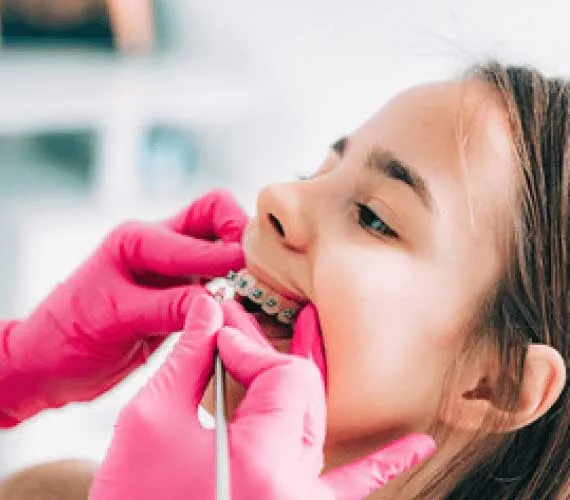
Braces cause mild to moderate soreness rather than sharp sensations. Most people feel the strongest tenderness during the first week after placement and for a few days following each adjustment. This soreness typically fades within three to five days and responds well to over-the-counter remedies like ibuprofen. Modern bracket systems tend to feel gentler than older designs based on clinical observation, making treatment more comfortable than it was a generation ago.
If you’re considering orthodontic treatment, knowing what to expect can ease any anxiety. At Romani Orthodontics in , RI, Dr. Kirsten Romani and Dr. Jessica Collins help people of all ages feel confident about their treatment experience. Let’s look at exactly what causes braces soreness and how to manage it.
Why Braces Cause Soreness: The Science of Tooth Movement
Braces cause soreness because gentle pressure triggers a natural bone remodeling response around each tooth root. The tenderness you feel comes from temporary inflammation in the periodontal ligament, not from the teeth themselves. This sensation peaks within the first week and fades as your body adapts to new positioning forces.
Teeth aren’t fused directly into the jawbone. They’re held in place by the periodontal ligament, a thin layer of connective tissue that acts as a cushion between tooth roots and bone.
When braces apply gentle, sustained pressure to your teeth, a biological remodeling process begins. The body responds by reshaping the bone around each tooth. Specialized cells called osteoclasts break down bone on the side where pressure pushes the tooth. Meanwhile, osteoblasts build new bone on the opposite side. This process allows teeth to shift gradually into better positions.
The soreness you feel doesn’t actually come from your teeth. It comes from temporary inflammation in the periodontal ligament as it responds to pressure changes. Think of it like muscle soreness after a workout. The body is adapting to new demands.
Several moments during treatment create pressure spikes:
- Initial bracket placement introduces your mouth to new hardware
- Wire changes apply fresh forces to continue tooth movement
- Elastic additions increase pressure on specific teeth
- Adjustment visits reactivate the system
Cheeks and lips also need time to adjust. The brackets create new surfaces inside your mouth. Most people find their soft tissues toughen up within two weeks.
How Long Do Braces Hurt at Each Stage of Treatment?
Knowing the timeline helps you prepare. Here’s what most patients at our practices experience:
Days 1-3 After Placement The pressure feels mild at first. Your tongue explores the new brackets constantly. Cheeks and lips feel the hardware more than any tooth soreness. Eating soft foods makes this transition easier.
Days 4-7 This is typically when soreness peaks. Chewing feels tender, especially on hard or crunchy foods. Biting into an apple? Not yet. Stick with pasta, yogurt, and smoothies.
After Monthly Adjustments Each visit reactivates tooth movement. Expect two to three days of tenderness that fades quickly. Many patients schedule visits early in the week so weekend plans aren’t affected.
New Wires or Elastics Dr. Romani or Dr. Collins may add rubber bands or switch to a thicker wire. Brief pressure follows, but it settles faster than the initial placement period.
Final Weeks of Treatment Soreness becomes rare. Your teeth have reached their target positions. The braces simply hold everything in place while bone solidifies around the roots.
Do Braces Hurt More for Adults Than Teens?
Adults and teens experience braces differently, though both groups report similar overall comfort levels according to clinical research.
Adults have denser bone tissue. This means teeth move more gradually and pressure sensations may feel more pronounced. However, slower movement isn’t necessarily more uncomfortable. It’s simply different.
Teens benefit from active growth. Their jaws are still developing, which can help treatment progress efficiently. They also tend to adapt quickly to new sensations.
Pre-existing dental work matters for adults. Crowns, large fillings, or previous root canals can affect how teeth respond to pressure. Dr. Romani, a Board Certified Diplomate of the American Board of Orthodontics with training from Boston University and the University of Washington, evaluates these factors during your free consult. Dr. Collins brings her own clinical training and experience in customized treatment planning to every patient evaluation at one of our locations.
Modern low-friction brackets have improved comfort for everyone. These systems reduce the force needed to move teeth, making treatment gentler regardless of age.
How to Manage Braces Soreness at Home
You don’t have to simply endure tenderness. These strategies help most patients feel better quickly:
-
Over-the-counter relievers: Ibuprofen or acetaminophen work well. Take them before soreness peaks for best results. Many people find that timing a dose about an hour before an adjustment visit reduces tenderness later that day.
-
Cold foods and drinks: Ice water, frozen yogurt, and smoothies reduce inflammation naturally. The cold numbs tender gums and offers a welcome distraction during the most sensitive days right after placement.
-
Orthodontic wax: This soft wax covers brackets that irritate cheeks or lips. Apply it to any spot causing friction. A small amount, rolled into a pea-sized ball, sticks easily to the bracket and stays in place even during eating or talking.
-
Salt water rinses: Mix half a teaspoon of salt in warm water. Swish gently to soothe sore spots and promote healing. Doing this two or three times per day, especially after meals, keeps the mouth clean and reduces irritation.
-
Soft food choices: Mashed potatoes, scrambled eggs, soup, and pasta require minimal chewing. Plan these meals for the first few days after adjustments. Stocking up before a visit means you won’t be scrambling for something easy to eat.
-
Gentle gum massage: Use a clean finger to rub sore areas lightly. This increases blood flow and can ease pressure sensations. A few minutes of gentle massage before bed often helps people fall asleep more easily during the tender first days.
Over-the-counter relievers: Ibuprofen or acetaminophen work well. Take them before soreness peaks for best results. Many people find that timing a dose about an hour before an adjustment visit reduces tenderness later that day.
Cold foods and drinks: Ice water, frozen yogurt, and smoothies reduce inflammation naturally. The cold numbs tender gums and offers a welcome distraction during the most sensitive days right after placement.
Orthodontic wax: This soft wax covers brackets that irritate cheeks or lips. Apply it to any spot causing friction. A small amount, rolled into a pea-sized ball, sticks easily to the bracket and stays in place even during eating or talking.
Salt water rinses: Mix half a teaspoon of salt in warm water. Swish gently to soothe sore spots and promote healing. Doing this two or three times per day, especially after meals, keeps the mouth clean and reduces irritation.
Soft food choices: Mashed potatoes, scrambled eggs, soup, and pasta require minimal chewing. Plan these meals for the first few days after adjustments. Stocking up before a visit means you won’t be scrambling for something easy to eat.
Gentle gum massage: Use a clean finger to rub sore areas lightly. This increases blood flow and can ease pressure sensations. A few minutes of gentle massage before bed often helps people fall asleep more easily during the tender first days.
Most soreness resolves within three to five days. If you’re still struggling after a week, contact our team in either . We may need to check that everything is positioned correctly.
When Is Braces Soreness Not Normal? Warning Signs to Watch
Typical braces soreness is dull and widespread. Certain symptoms signal something needs attention right away:
- Sharp, sudden sensations unrelated to a recent adjustment
- Broken brackets or wires poking into cheeks, tongue, or gums
- Severe tenderness lasting more than seven days
- Loose bands or appliance components
- Swelling, fever, or pus indicating possible infection
- Difficulty swallowing or persistent bad taste in the mouth
- Numbness or tingling that doesn’t resolve within an hour of an adjustment
Don’t wait if something feels wrong. A poking wire can cause cuts that may become infected if left untreated. A broken bracket delays your progress and can extend overall treatment time. The team at Romani Orthodontics can fit you in for emergency adjustments when needed, and our offices reserve time each day specifically for urgent visits.
Between visits, orthodontic wax can cover a poking wire temporarily. If a wire is causing significant irritation, clean nail clippers can trim the end in an emergency situation. Always follow up with Dr. Romani or Dr. Collins as soon as possible after any at-home fix. Document the issue with a quick phone photo so we can prepare the right tools before you arrive. For after-hours concerns, our voicemail provides guidance on what counts as a true emergency and what can wait until the next business day.
Frequently Asked Questions About Braces Soreness
How long does soreness last after getting braces?
Most patients experience peak soreness between days four and seven after initial placement. This tenderness typically resolves within three to five days. After regular adjustment visits, soreness usually lasts just two to three days before fading completely.
Do braces hurt more than Invisalign?
Both options cause similar overall comfort levels, though the sensations differ. Braces create pressure from brackets and wires, while Invisalign® applies force through plastic aligners. Some patients find the adjustment period easier with one system over the other. Dr. Romani, a diamond Invisalign® top 1% provider, can discuss which might suit you better.
Can I take medication before an adjustment?
Yes. Taking ibuprofen or acetaminophen about an hour before your visit can help reduce post-adjustment soreness. However, avoid aspirin, which may increase bleeding if any adjustments irritate your gums.
What foods should I avoid when my braces are sore?
Skip hard, crunchy, or chewy foods during sore periods. This means no raw carrots, apples, crusty bread, or sticky candy. Stick with soft options like yogurt, mashed potatoes, pasta, soup, and smoothies until tenderness passes.
Why are my braces sore randomly months into treatment?
Occasional soreness later in treatment usually means teeth are still actively moving. Dr. Romani or Dr. Collins may have recently changed your wire or added elastics. Sometimes teeth shift into positions where they contact differently when you bite. Mention any unexpected soreness at your next visit.
Will braces feel sore every time I get them tightened?
Most patients notice some tenderness after adjustments, but it becomes more predictable and often less intense over time. Your mouth adapts to the process. Many people report that later adjustments feel milder than early ones.
Curious about what braces treatment actually feels like day-to-day? Schedule a free consult with Dr. Romani or Dr. Collins at Romani Orthodontics in . We’ll discuss your treatment options and comfort expectations, then create a customized treatment plan designed to help you achieve the smile you deserve with as much ease as possible from start to finish.