


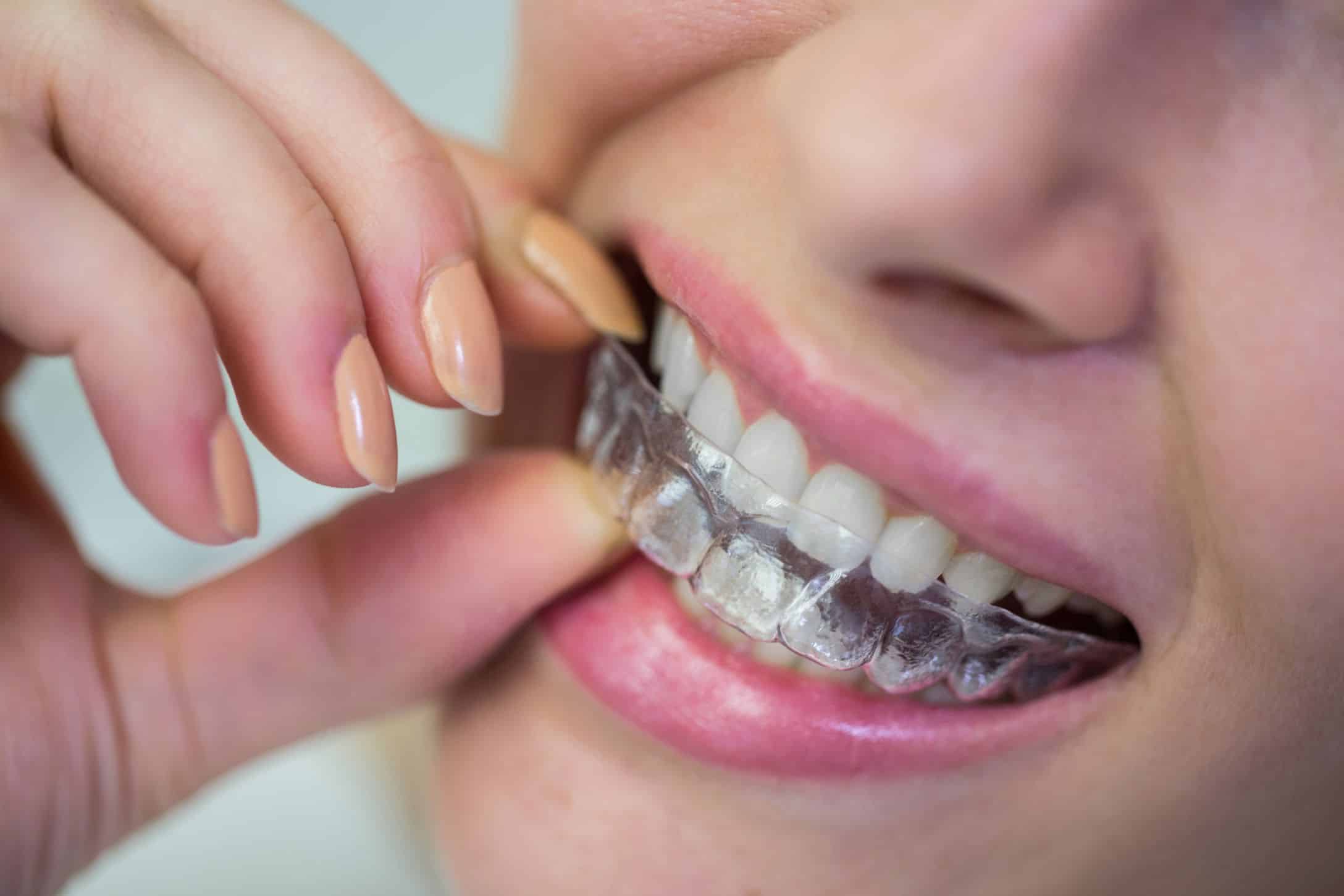
When you stop wearing your Invisalign® aligners, your teeth begin shifting back toward their original positions within hours to days. The periodontal ligament fibers surrounding each tooth retain memory of where teeth started, actively pulling them backward when the aligner pressure stops. Missing even a single day can make your current tray feel noticeably tighter, while longer breaks may require backing up trays or getting new aligners made entirely.
Invisalign® treatment works through consistent, gentle pressure applied roughly 20-22 hours daily. Every time you remove your aligners beyond the recommended time for eating and brushing, you interrupt this controlled movement pattern. The consequences depend on how long you’ve stopped, ranging from minor setbacks to potentially restarting your entire treatment plan.
How Quickly Do Teeth Shift Without Aligners?
Understanding how rapidly teeth can move helps explain why consistent wear matters so much. Here’s what typically happens when aligners are left out:
Why does this happen so quickly? Your teeth aren’t rigidly fixed in bone. They’re suspended in the jawbone by periodontal ligament fibers that act like tiny rubber bands. During treatment, these fibers stretch to accommodate new tooth positions. When aligner pressure stops, they pull teeth back toward where they started.
Here’s something many people find surprising: teeth typically move faster during active treatment than they do after you’ve finished and moved to retainers. The bone around your teeth is actively remodeling during Invisalign® treatment, making them more mobile and more prone to shifting.
Why Does Consistent Invisalign Wear Matter?
Wearing your aligners the recommended 20-22 hours daily protects your investment and keeps your smile on track. Here’s what you gain from staying consistent:
How Does Consistent Wear Protect Your Results?
-
Treatment stays on schedule. Each aligner is designed to move teeth a specific amount over a set timeframe. Skipping wear time extends your overall treatment length.
-
You avoid costly remakes. Refinement trays may be included in your treatment package, but significant relapse could require entirely new aligners at additional cost.
-
Tooth movement stays predictable. Your digital treatment plan maps out exactly where each tooth should be at every stage. Consistent wear keeps reality matching that plan.
Treatment stays on schedule. Each aligner is designed to move teeth a specific amount over a set timeframe. Skipping wear time extends your overall treatment length.
You avoid costly remakes. Refinement trays may be included in your treatment package, but significant relapse could require entirely new aligners at additional cost.
Tooth movement stays predictable. Your digital treatment plan maps out exactly where each tooth should be at every stage. Consistent wear keeps reality matching that plan.
What Are the Day-to-Day Benefits of Sticking With It?
-
Less discomfort overall. Forcing ill-fitting aligners back onto shifted teeth feels uncomfortable. Staying on track means each new tray fits as intended.
-
Your results last. Building good habits during treatment sets you up for success with retainer wear afterward, which is part of how Romani Orthodontics helps you experience the perfect smile.
Less discomfort overall. Forcing ill-fitting aligners back onto shifted teeth feels uncomfortable. Staying on track means each new tray fits as intended.
Your results last. Building good habits during treatment sets you up for success with retainer wear afterward, which is part of how Romani Orthodontics helps you experience the perfect smile.
Dr. Kirsten Romani, a Board Certified Diplomate of the American Board of Orthodontics and a diamond Invisalign® top 1% provider, emphasizes that patient compliance is one of the most significant factors in Invisalign® success. Years of clinical experience with clear aligner systems give her deep insight into how treatment interruptions affect outcomes, and that perspective shapes how the team at Romani Orthodontics in East Providence and Chepachet guides every patient through treatments tailored to suit your lifestyle.
Skipping a Few Hours vs. Stopping Completely
Not all aligner breaks are equal. The 20-22 hour guideline already accounts for meals and oral hygiene. Here’s how different scenarios typically play out:
Occasional short removals (built into the system) Taking aligners out for 30-45 minutes at meals is expected and won’t affect your progress. That’s why the guideline isn’t 24 hours.
Missing 4-6 hours occasionally If you forget to put aligners back in after dinner or leave them out during a long event, you can usually make up the time. Wear them a bit longer the next day, and you should be fine.
Skipping full days This is where trouble begins. A full day without aligners allows enough movement that your current tray may not seat correctly. You might need to go back a tray or wear the current one longer before progressing.
Stopping for weeks or months Significant relapse occurs. Your treatment plan no longer matches your tooth positions. Restarting often requires new scans, new aligners, and potentially additional fees.
Lost aligner vs. intentionally stopping: If you lose an aligner, contact Dr. Romani or Dr. Collins right away. You can often move to the next tray early or wear the previous one while a replacement is ordered. This is different from choosing not to wear aligners, where the extended break causes more significant shifting.
The Cost of Stopping Invisalign Treatment
How much does pausing Invisalign® actually cost you? It depends on how long the break lasts and how much your teeth have shifted. Short pauses may add nothing more than a few extra days of wear, while extended stops can mean refinement fees, new scans, or even a full treatment restart. Here’s a closer look at the factors that affect your wallet and your timeline.
Refinement trays and remakes Many Invisalign® treatment packages include a certain number of refinement aligners. However, if relapse is significant, you may exceed what’s covered and face additional fees for new trays.
Restarting treatment Stopping for extended periods may mean starting over. This could require new digital scans, a new treatment plan, and potentially a new case fee, especially if your original treatment was completed or your coverage has lapsed.
Extended treatment time More office visits, more aligners, more months in treatment. Time is a cost too.
Insurance limitations Your dental insurance benefits for orthodontics are typically a lifetime maximum. If you’ve already used those benefits on your first round of treatment, a restart may not be covered.
According to the American Association of Orthodontists, completing treatment as prescribed is the most reliable approach to orthodontic care. Interruptions and restarts almost always end up costing more than staying consistent.
What to Do If You’ve Stopped Wearing Your Aligners
If you’ve taken a break from your aligners, whether intentional or not, here’s your action plan:
-
Try your current aligner first. If it seats fully and feels only slightly tight, you can likely resume wear. Give it a few days of consistent 22-hour wear before deciding if it still fits properly.
-
If it’s tight but seats: Wear it full-time and contact Romani Orthodontics to let your provider know what happened. They can advise whether to extend time on this tray before progressing.
-
If it won’t seat at all: Don’t force it. Go back to the previous tray that fits comfortably. Wear that one while you schedule an evaluation.
-
Schedule a visit. Dr. Romani or Dr. Collins will need to assess how much relapse has occurred and determine next steps. This might include refinement scans to create new aligners that match your current tooth positions.
-
Be honest about what happened. Your provider isn’t there to judge you. Accurate information helps the Team at Romani Orthodontics create the best plan to get your treatment back on track.
-
Prepare for refinements. If relapse is significant, new scans and additional aligners may be necessary. Dr. Romani will walk you through options and any associated costs.
Try your current aligner first. If it seats fully and feels only slightly tight, you can likely resume wear. Give it a few days of consistent 22-hour wear before deciding if it still fits properly.
If it’s tight but seats: Wear it full-time and contact Romani Orthodontics to let your provider know what happened. They can advise whether to extend time on this tray before progressing.
If it won’t seat at all: Don’t force it. Go back to the previous tray that fits comfortably. Wear that one while you schedule an evaluation.
Schedule a visit. Dr. Romani or Dr. Collins will need to assess how much relapse has occurred and determine next steps. This might include refinement scans to create new aligners that match your current tooth positions.
Be honest about what happened. Your provider isn’t there to judge you. Accurate information helps the Team at Romani Orthodontics create the best plan to get your treatment back on track.
Prepare for refinements. If relapse is significant, new scans and additional aligners may be necessary. Dr. Romani will walk you through options and any associated costs.
The team at Romani Orthodontics in East Providence and Chepachet works with people who’ve experienced treatment interruptions regularly. Getting back on track is almost always possible, and that’s genuinely encouraging news. The key is addressing the situation promptly rather than waiting and hoping aligners will magically fit again.
Frequently Asked Questions
How long can I go without wearing Invisalign before my teeth shift?
Teeth can begin shifting within hours of removing your aligners, though you won’t notice it immediately. Most people find that after a day or two, their aligners feel noticeably tighter. After a week, the current tray may not fit correctly. The periodontal ligaments around your teeth are constantly working to pull them back toward their original positions during active treatment.
Can I restart Invisalign where I left off?
It depends on how long you’ve been away and how much your teeth have moved. If relapse is minimal, you may be able to back up a tray or two and continue. Significant movement typically requires new digital scans and a revised treatment plan. Dr. Romani or Dr. Collins can evaluate your specific situation at Romani Orthodontics and recommend the best path forward.
Will my old aligners still work after a break?
Only if they still fit properly. Try seating your most recent aligner. If it clicks into place and feels secure (even if tight), you can likely continue with that tray. If it won’t seat or causes discomfort, you’ll need to go back to an earlier tray that fits or get new aligners made.
Do I need new aligners if I stopped wearing them for months?
In most cases, yes. Months without aligners allow substantial relapse. Your teeth have likely moved enough that none of your existing trays will fit correctly. New scans will capture your current tooth positions, and Dr. Romani, a Board Certified Diplomate of the American Board of Orthodontics, will create a revised treatment plan to move forward.
What if I lost my current aligner?
Contact Romani Orthodontics right away. Depending on where you are in treatment, you may be able to move to your next tray early, wear the previous tray while a replacement is ordered, or have a new aligner made. Acting quickly minimizes shifting and keeps treatment on schedule.
Can stopping Invisalign damage my teeth?
Stopping treatment itself won’t hurt your teeth, but forcing ill-fitting aligners onto shifted teeth can feel uncomfortable and may irritate your gums. The bigger concern is losing the progress you’ve made and the investment you’ve put into treatment. Teeth that have partially moved may also be more difficult to clean, which can raise cavity or gum disease risk until treatment resumes at Romani Orthodontics.
Have questions about getting back on schedule? Whether you’ve missed a few days or a few months, the team at Romani Orthodontics is happy to help you explore your options. Dr. Romani and Dr. Collins offer a free consult to review your current situation and discuss a plan that works toward the smile you deserve. Learn more or schedule your free consult when you’re ready.